How Manufacturers Standardize Work Instructions Using Video and AI
Gregor Obreza, Co-founder and CEO
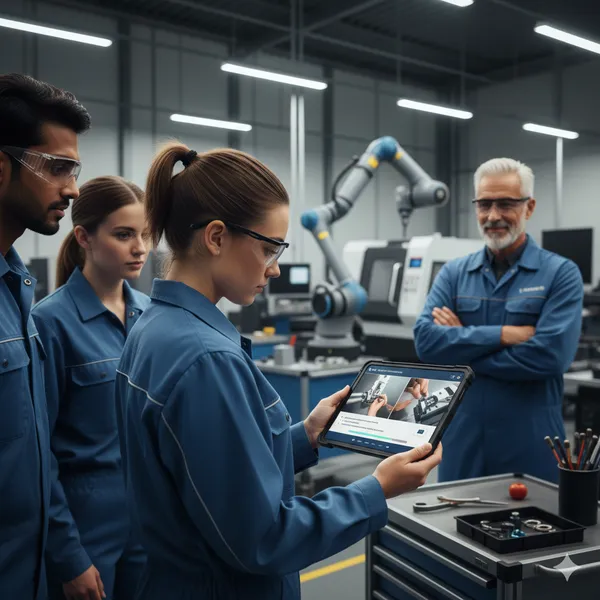
Manufacturing teams use AI to turn existing process videos into standardized work instructions for training, consistency, and multilingual shop-floor execution. Without writing from scratch.
30-second summary:
Many manufacturers already have videos of their processes, but still struggle with outdated or missing work instructions. The fastest way to standardize operations in 2026 is converting real process videos into step-by-step SOPs using AI.
The real problem with work instructions in manufacturing
Most manufacturing teams don’t lack effort.
They lack time and structure.
Common situations look like this:
- Work instructions exist for some processes, but not all
- Critical tasks (mold changes, machine setup, adjustments) rely on verbal training
- Videos exist, but they are not usable as instructions
- New hires learn by shadowing, not by following a standard
Over time, this creates inconsistency across shifts, operators, and locations.
Why written SOPs fall behind production reality
Traditional SOP creation usually fails for three reasons:
-
They are written after the fact
By the time a document is finished, the process has already changed. -
They are hard to maintain
Updating PDFs or Word files rarely keeps pace with real shop-floor improvements. -
They miss critical detail
Timing, sequence, hand position, machine feedback, and safety checks are hard to describe accurately in text.
As a result, SOPs often exist — but operators still ask coworkers instead of using them.
Video already captures what matters
Many manufacturers already record:
- Machine setup
- Mold changes
- Troubleshooting steps
- Training walkthroughs
The issue is not recording.
The issue is that raw video is not structured.
Long videos are hard to search, hard to reuse, and impossible to standardize across teams.
Where AI fits into work instruction standardization
AI becomes useful when it works on your real processes, not generic descriptions.
By analyzing process videos, AI can:
- Split recordings into clear, ordered steps
- Extract key actions and safety notes
- Turn informal explanations into usable instructions
- Create a consistent structure across all procedures
This shifts SOP creation from writing to reviewing.
Using video-based SOPs for training and consistency
When work instructions are built from real videos:
- New hires learn faster by seeing the actual process
- Experienced operators follow the same standard across shifts
- Knowledge stays in the company when people leave
- Instructions can be reused for retraining or troubleshooting
For manufacturers with multilingual teams, the same SOP can also be translated without duplicating effort.
From existing videos to standardized work instructions
A practical workflow looks like this:
- Record or collect existing process videos
- Convert them into step-by-step instructions using AI
- Review and adjust where needed
- Share them digitally on the shop floor
No scripting.
No video editing.
No long documentation projects.
Why this approach is becoming standard
Manufacturing teams are under pressure to:
- Train faster
- Reduce errors
- Preserve process knowledge
- Scale without adding overhead
Turning real process videos into standardized work instructions directly addresses all four.
That is why video-first, AI-supported SOP creation is becoming a core part of modern manufacturing operations.
Frequently Asked Questions
How long does it take to create standardized work instructions from existing videos?
For most manufacturing teams, the first usable work instructions can be created in minutes, not weeks or months. Because the process starts from real videos, AI generates an initial draft quickly, and supervisors only review and refine. Full standardization across multiple processes typically happens incrementally over weeks as more videos are added.
Do video-based work instructions replace SOPs or complement them?
They complement and modernize SOPs. Video-based instructions provide the visual and contextual layer that traditional SOPs lack, while still supporting structured, auditable procedures. Many teams treat them as the new “living SOP” that stays aligned with real shop-floor work. It’s also way more user friendly than “boring” PDFs.
What types of manufacturing processes work best with video-based instructions?
Processes with setup steps, how-to-use guides, adjustments, inspections, or troubleshooting benefit the most. This includes machine setup, mold changes, assembly steps, quality checks, and maintenance tasks—especially where timing, sequence, or visual cues matter.
How do video-based work instructions help with multilingual teams?
Because instructions are generated from visual context and structured steps, they can be translated consistently without rewriting the entire procedure. This ensures operators across languages follow the same standard instead of relying on informal explanations or local interpretations.
How do operators actually use these instructions on the shop floor?
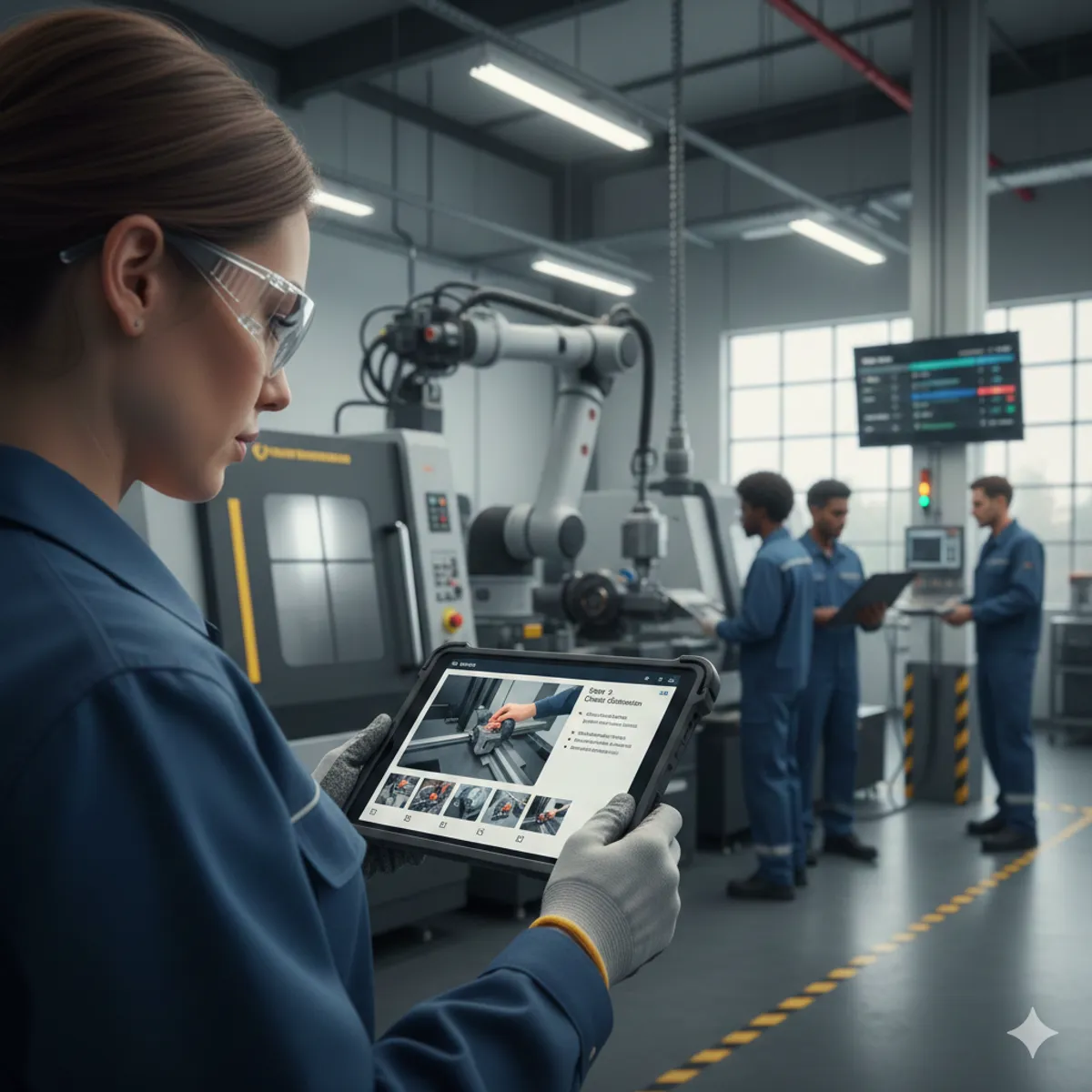
Operators typically access instructions on a phone, tablet, or workstation. Instead of reading long documents, they jump directly to the relevant step or video segment. Over time, this reduces interruptions, shortens training, and improves consistency across shifts.
What happens if some step becomes outdated? Do I need to re-record everything?
No, you can only remove or edit one step at the time. You can also create new version of a work instruction to keep the history.
Get early access
If your team already has videos but still struggles with outdated or missing work instructions, you can apply for TagPlan Work Instructions Early Access.